
What causes male infertility?
A clear look at the sperm, hormonal, structural and functional problems behind male infertility, plus the lifestyle factors that contribute.
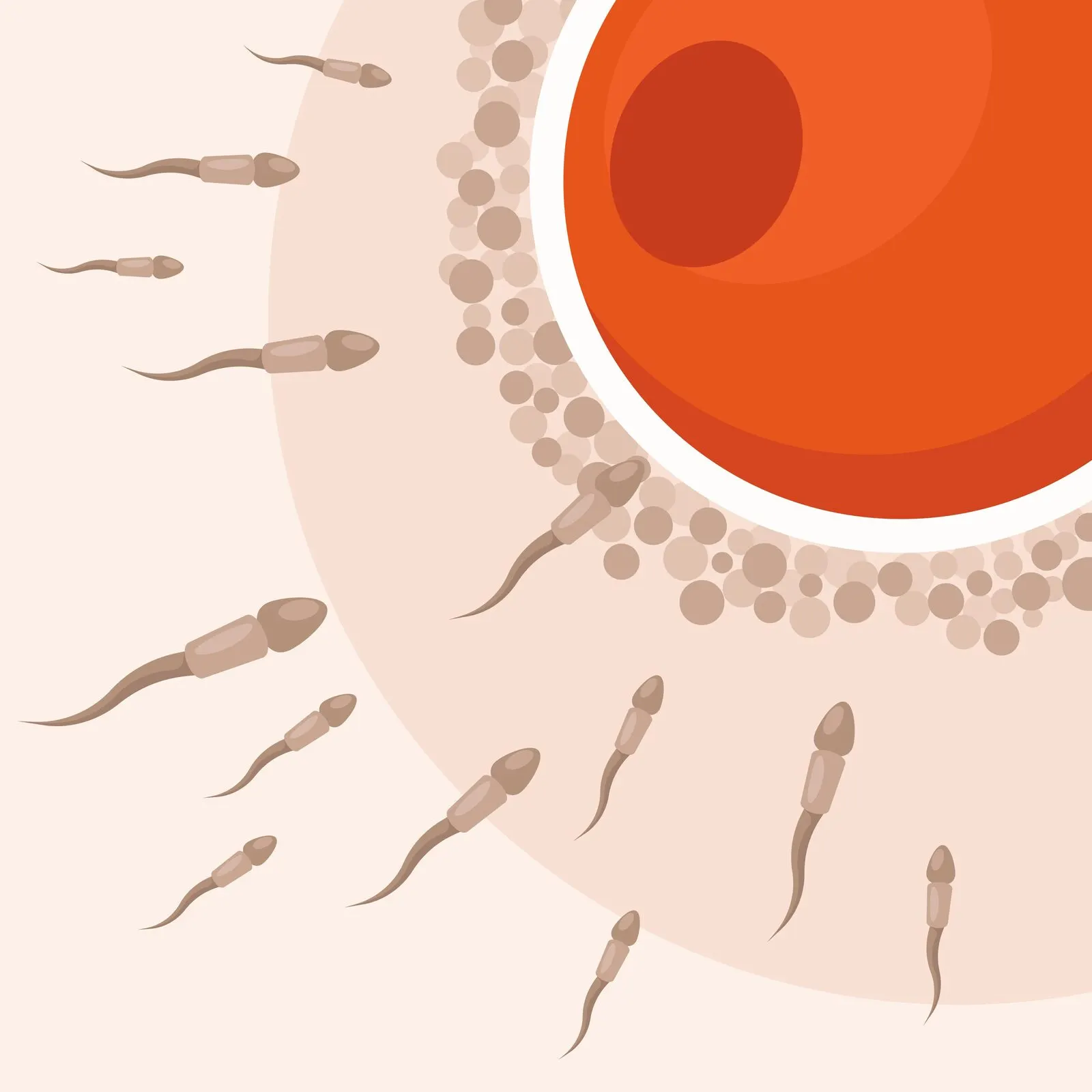
The causes of male infertility are varied. They may stem from an inability to produce enough sperm, an abnormality in the sperm themselves, or a genetic problem.
Infertility is defined as the absence of pregnancy after 12 months or more of regular intercourse without contraception, and the cause may be related to factors in the man, the woman, or both.
The most common causes of male infertility
Normal reproduction in men depends on several things, including the following:
- The ability to form healthy sperm capable of fertilising an egg.
- The ability to achieve an erection and to ejaculate so that the sperm can reach the egg.
The causes of male infertility include the following:
Sperm problems that cause male infertility
Sperm problems are the most common cause of male infertility, and they include the following:
- Azoospermia, where the semen contains no sperm at all.
- An abnormal sperm shape.
- Blockage of the tubes that carry the sperm.
- Failure of the testicles to produce sperm.
- Poor sperm motility.
Hormonal or pituitary gland problems
Hormones have a major effect on fertility, especially the hormones of the pituitary gland, because they influence the production of the male hormones.
Structural problems that cause male infertility
Stopping the flow of semen as a result of a blockage in the seminal ducts can cause infertility. This blockage may result from infection, inflammation, or a genetic defect.
A varicocele may affect sperm production and quality and may be associated with reduced fertility in some men.
Functional problems that cause male infertility
The functional problems that can cause male infertility include the following:
- Erectile dysfunction, the inability to get or keep an erection firm enough for intercourse.
- Ejaculation problems, when semen enters the bladder instead of leaving through the penis.
- Injuries to the testicles or some treatments, such as chemotherapy, that may affect sperm production.
- Removal of the prostate, which has side effects that include infertility, erectile dysfunction and urinary incontinence.
- In some men, the immune system produces antibodies that may affect sperm motility or their ability to reach and fertilise the egg.
Other factors that may cause male infertility
The causes of male infertility may include other factors, among them the following:
- Erectile dysfunction or premature ejaculation.
- Heavy smoking or excessive alcohol consumption.
- Genetic diseases, such as cystic fibrosis.
- Severe obesity.
- Advancing age.
- Exposure to radiation.
- Exposure to certain toxins and chemicals, such as cadmium, lead, mercury and pesticides.
- Taking certain medications that may affect hormone levels.
- Spending a lot of time near heat that raises the temperature of the testicles, including saunas or hot tubs.
- A history of varicocele or an undescended testicle.
- Taking androgenic steroids or dietary supplements containing traces of hormones to increase muscle mass.
Sources
Ready to take the next step?
Private, practical support for men's health.